
Shelby County Arrest Warrants Follow Chapter 15
Arrest warrants in Texas answer to Chapter 15 of the Code of Criminal Procedure. That chapter calls a warrant a written magistrate's order directed to a peace officer. The order must name the accused or give a reasonably definite description, state the offense, and carry the magistrate's signature or office. A sworn complaint backs it. Shelby County has no local form or number format. Only the clerk can tie a warrant to its cause number and current status. The state chapter explains the paper. The Chapter 15 PDF from the Texas Legislature puts the whole warrant chapter online.
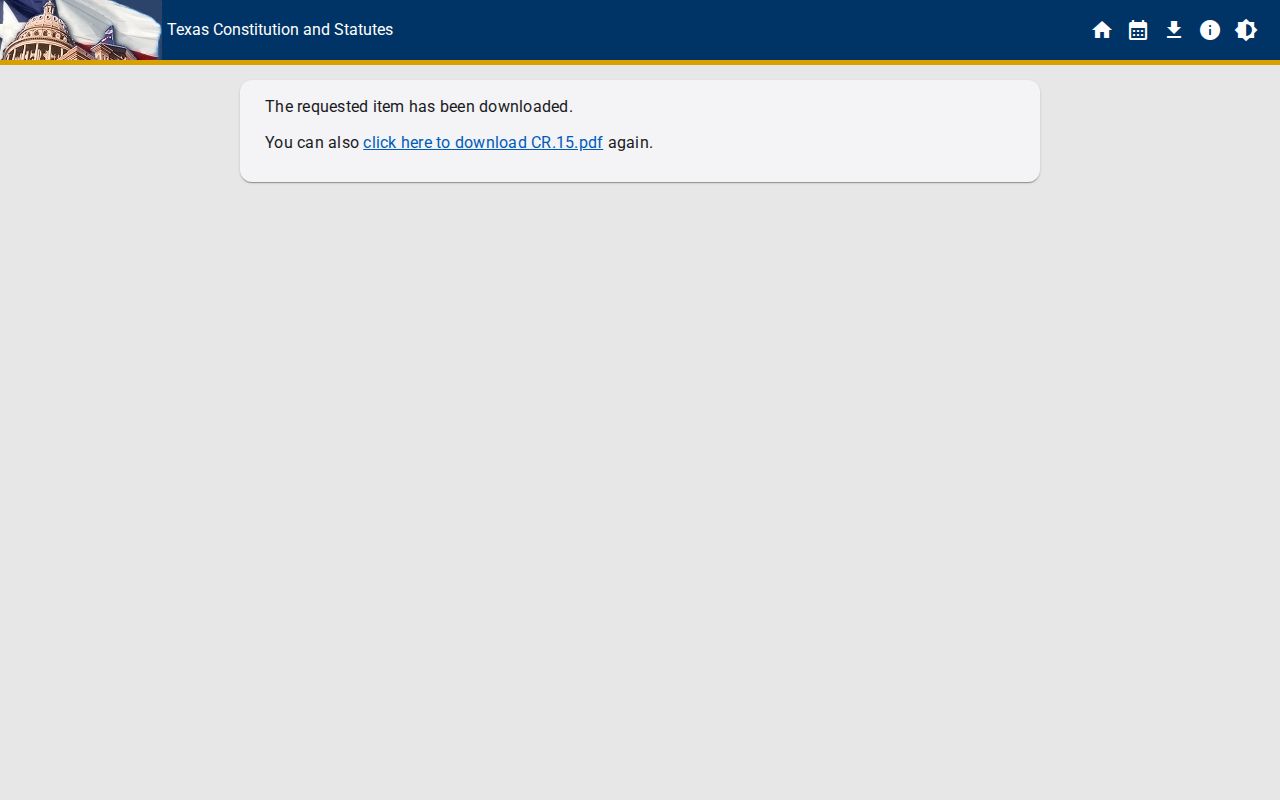
Use the chapter to see the written process, then ask the Shelby County issuing court about a specific case.
Arrest Warrants in Shelby County
An arrest warrant is a written order that lets a peace officer take someone into custody. A magistrate reviews the legal basis first. A sworn complaint and affidavit often supply it. The warrant is not a search order for a place or item. In Shelby County, serious cases split between the 123rd and 273rd District Courts under a local administrative order. Lower-court magistrates issue process within their authority. Issuing court and serving agency may be separate offices.
Felony Warrants in Shelby County Go to Two District Courts
Shelby County sits in two district courts, the 123rd and the 273rd. A local administrative order splits new felony indictments. Co-defendants and pending felony cases carve out exceptions. The District Clerk receives each new indictment and assigns it. The assigned court then runs its own proceedings. For a district warrant, call the clerk or the court coordinator with the cause number ready. One court's records will not show the other's cases. The 123rd District Court page posts that court's public contact details.
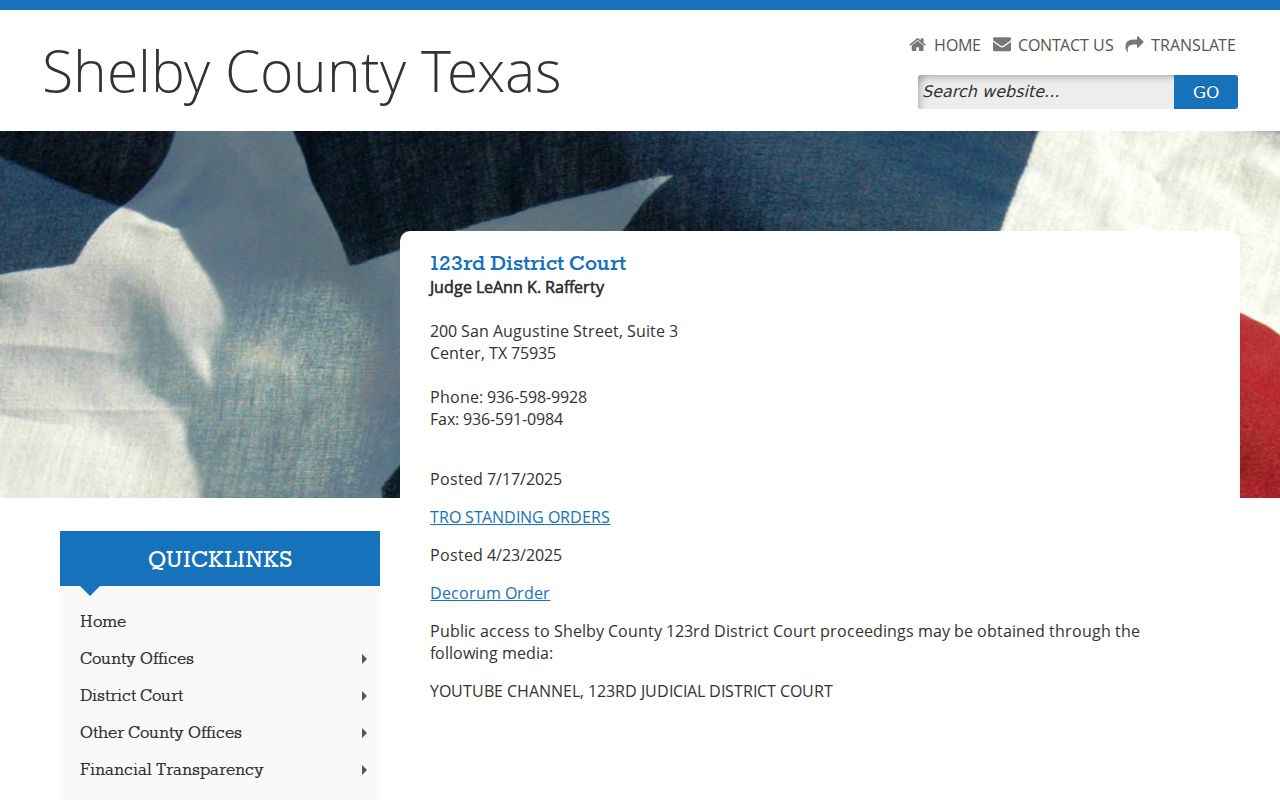
Use the court name shown on the notice to route a case question.
What a Shelby County Arrest Warrant Contains
Shelby County uses no standard warrant number format. A record can still name the subject, the offense, the issuing magistrate, a case identifier, and service status. Ask the clerk what is public and whether a file is sealed.
| Warrant number | Local format not published; ask for the cause number. |
|---|---|
| Named subject | The document identifies the person named in the order. |
| Charge / offense | The offense is part of the warrant's statutory requisites. |
| Issuing judge / court | Identify the magistrate and the court that controls the case. |
| Bond / bail set | No county schedule is public; confirm amount and type. |
| Date issued | Ask the clerk to verify issue and service dates. |
Shelby County Sheriff's Office, Constables, and Police May Serve
The Sheriff's Office covers Shelby County as a whole. The county also lists five constables. City police handle warrants tied to local matters. No county page matches each warrant to one agency, so ask the issuing court who holds the process. Service questions go to law enforcement. Recall or bond decisions stay with the issuing court. The county's constable directory gives each office's public contact routes.
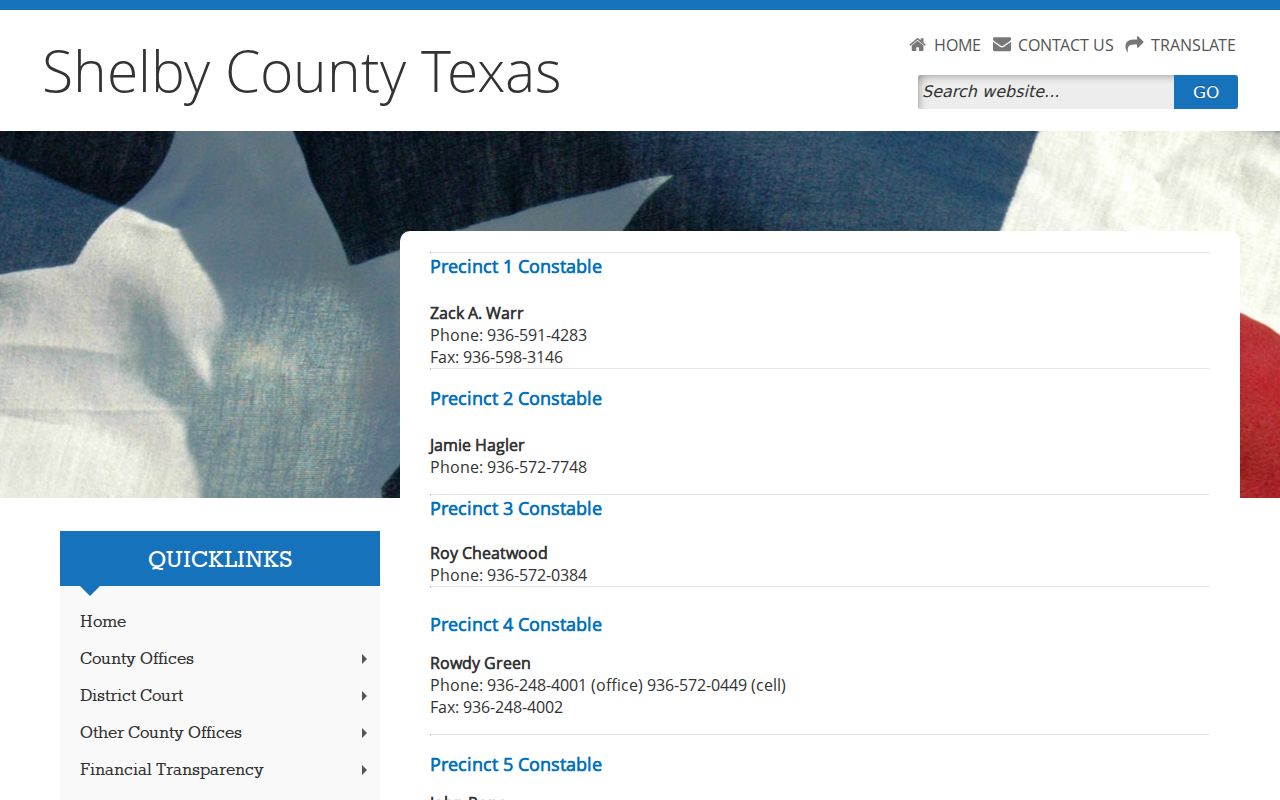
Contact the relevant precinct to ask about service of a particular order.
How Shelby County Arrest Warrants Are Served
The Sheriff, a constable, or a city police officer may serve a Shelby County warrant, depending on the order and jurisdiction. No county page matches each warrant to one agency. Booking and a magistrate or bond proceeding may follow an arrest. Shelby County publishes no fixed timetable for this. Before an arrest, a person can ask counsel and the issuing court about a planned appearance, a walk-through, a surrender, bond, or a recall motion. Silence proves nothing. A blank lookup can miss an active order.
Sealed Shelby County Arrest Warrants Limit Public Access
A Shelby County warrant or indictment may stay sealed until service or arrest. Sealing limits what the public can see. Law-enforcement material may be withheld when release would interfere with an investigation or prosecution. The Texas Public Information Act does not open unserved process. The District Clerk may refer a request to the court, so ask for nonexempt parts of the file and the reason for anything withheld. A records request yields copies only. For status or next steps, call the issuing court.
Arrest Warrant vs Summons vs Bench Warrant
A summons just orders an appearance. A bench warrant usually follows a missed court obligation in an existing case. The Shelby County bench-warrant process shows how a missed setting differs from a probable-cause arrest warrant.
| Feature | Arrest Warrant | Summons | Bench Warrant |
|---|---|---|---|
| What it orders | Take the named person into custody | Appear at a stated time and place | Return after a missed obligation |
| Basis | Probable cause of an offense | Case can proceed without immediate custody | Failure to appear or comply |
| Who issues it | Judge or magistrate | Court or authorized officer | Judge handling the pending case |
| How to respond | Confirm with counsel, then arrange court action | Attend on the stated date | Ask the court about reset or recall |
Shelby County Does Not Publish a Bond Schedule
Shelby County publishes no bond schedule for warrants. The Sheriff's pages list no bond window hours and no single online bond payment route. The issuing judge sets amount and type. Cash, surety, personal recognizance, or another condition may apply. Court or magistrate makes the local call. Ask which office accepts the bond and what instrument is allowed. Ask whether posting it changes the warrant status or only secures release. Bond does not dismiss the charge or end the case.
Federal Warrants Use a Separate Shelby County Route
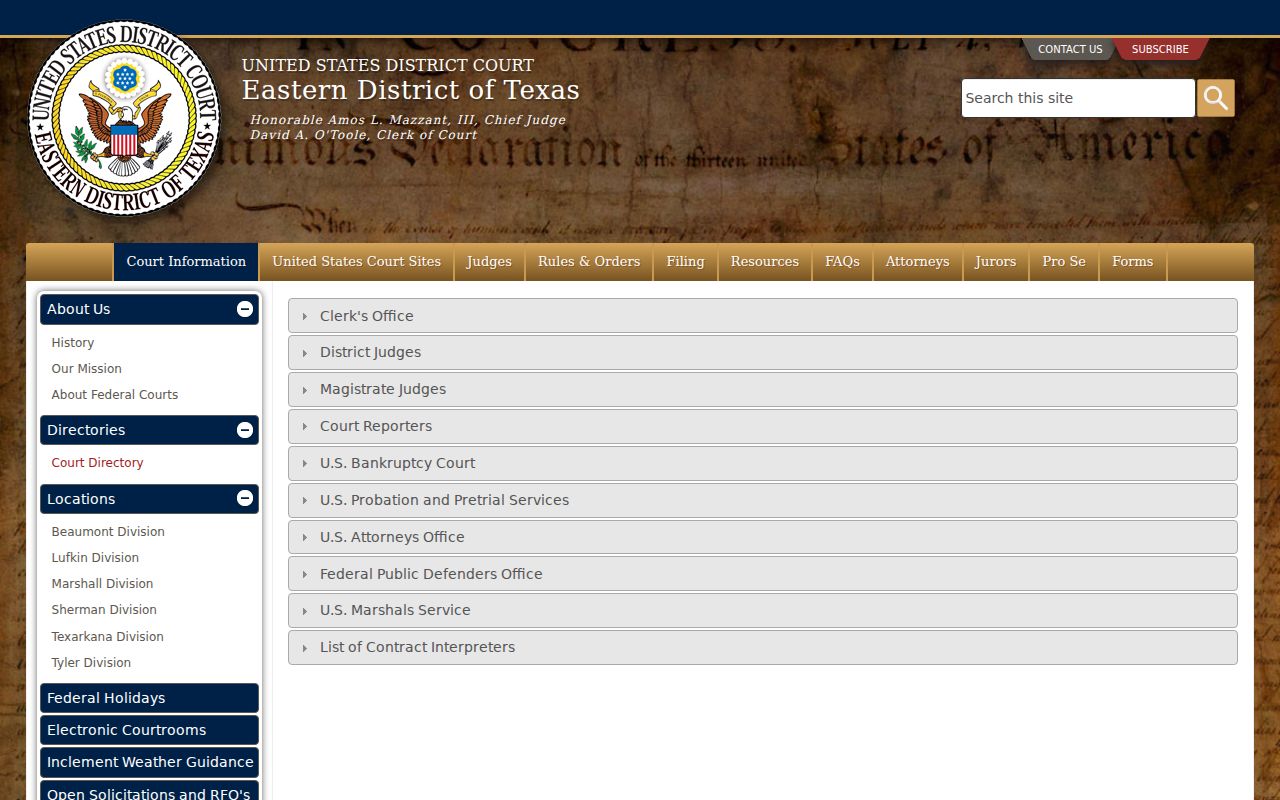
A federal warrant is handled through the Eastern District of Texas and the U.S. Marshals Service, not the county JP or municipal-court channel. Shelby County is in the Eastern District; use the federal venue locator and court directory to identify the right office. Some federal records may be sealed.
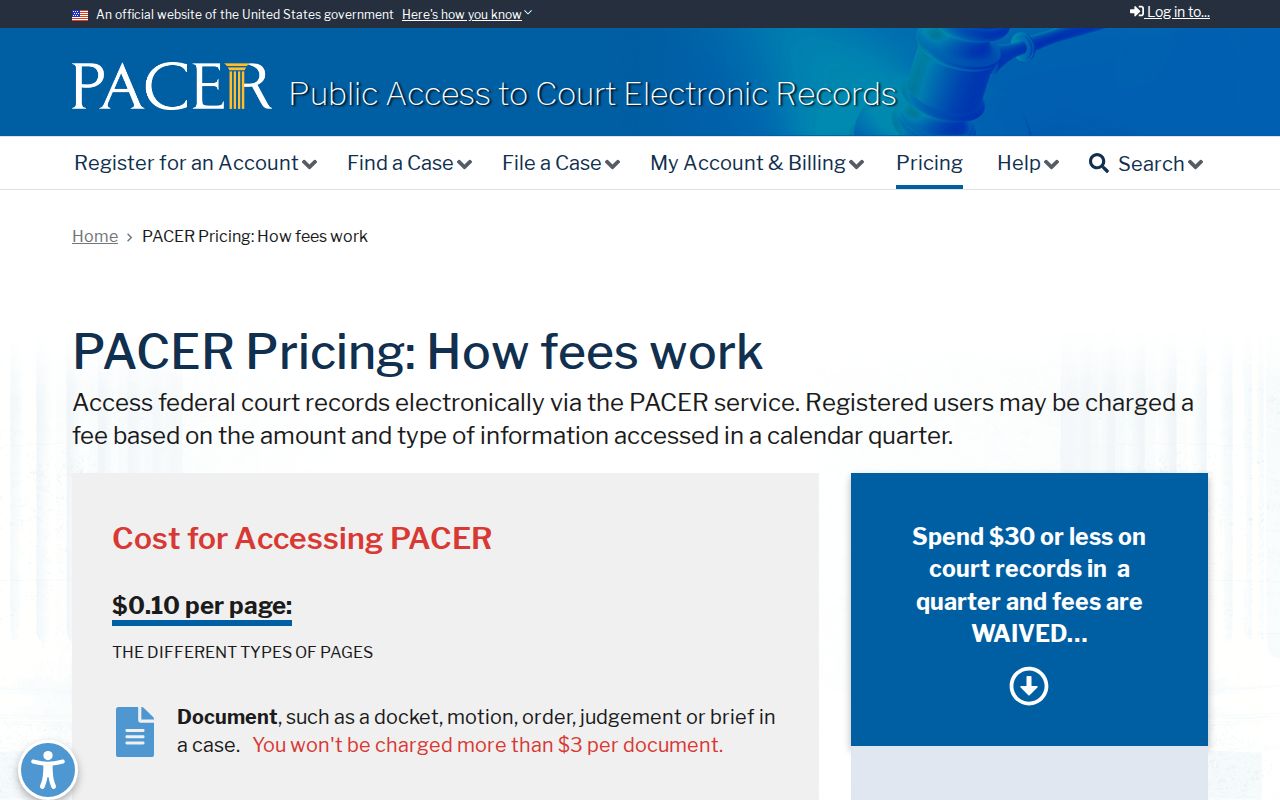
PACER provides federal docket access, but a docket search is not a complete warrant check. The Marshall division directory and PACER fee page describe those separate services.
The federal directory lists the court office for the Marshall division.
The PACER information page explains the federal docket search service.
Neither federal site should be treated as a complete public warrant roster.
What to Do If There's a Warrant for You
Call the issuing court with the cause number first. Ask whether the warrant is active, served, recalled, or sealed. For a district case, contact the District Clerk and the coordinator; for a lower court case, call the JP or municipal clerk. The Shelby County Sheriff can explain service but cannot recall the order. A Texas attorney can arrange a planned surrender, walk-through, bond, or reset, and may move the court to recall or quash the warrant. Follow the court's instructions. Keep proof of any payment or appearance, and ask the clerk when the court record will be updated.
Important: Speak with counsel before appearing, and confirm the court's directions; an active arrest warrant may be served during a law-enforcement contact.